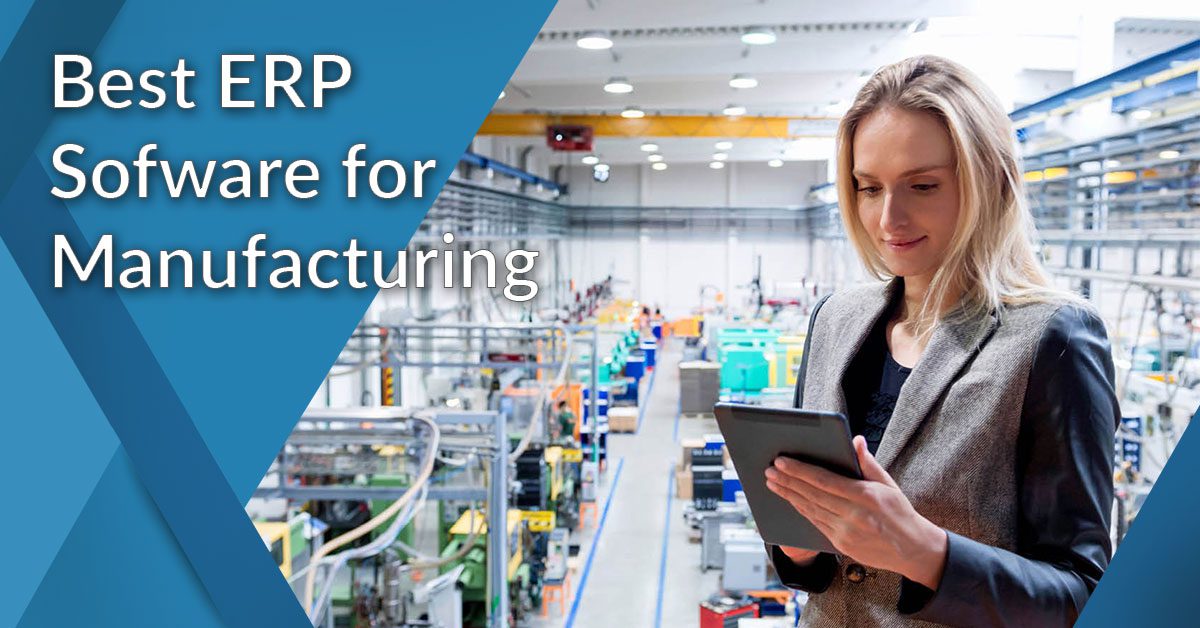
Welcome to the future of manufacturing! In today’s fast-paced world, companies are constantly seeking ways to streamline their operations and increase efficiency. One of the key tools revolutionizing the manufacturing industry is Enterprise Resource Planning (ERP) solutions. These software platforms integrate various facets of a company’s operations, such as inventory management, production planning, and supply chain management, into one centralized system. By implementing ERP solutions, manufacturers can optimize their processes, reduce costs, and improve overall productivity. Let’s dive into how ERP solutions are transforming the manufacturing landscape.
Benefits of Implementing Manufacturing Erp Solutions
Implementing Manufacturing Erp Solutions can bring a multitude of benefits to a manufacturing company. These solutions are designed to streamline operations, improve efficiency, and increase profitability. One of the main advantages of implementing Manufacturing Erp Solutions is the ability to centralize all data and processes into a single, integrated system. This eliminates the need for multiple disparate systems, spreadsheets, and manual processes, which can lead to errors and inefficiencies.
By centralizing data and processes, Manufacturing Erp Solutions provide real-time visibility into all aspects of the manufacturing operation, from production to inventory management to financials. This visibility enables better decision-making based on accurate, up-to-date information. Managers can easily track key performance indicators (KPIs), identify trends, and make adjustments to improve performance and profitability.
Another key benefit of Manufacturing Erp Solutions is the automation of repetitive tasks and processes. These solutions can automate time-consuming tasks such as data entry, inventory management, order processing, and reporting. By automating these tasks, companies can free up employees to focus on more strategic activities that add value to the business.
Implementing Manufacturing Erp Solutions also improves collaboration and communication within the organization. With all data stored in a centralized system, employees from different departments can easily access and share information. This facilitates better coordination between departments, leading to improved efficiency and productivity.
Manufacturing Erp Solutions also help companies comply with regulatory requirements and industry standards. These solutions often include features that support compliance with regulations such as ISO, FDA, and others. By ensuring compliance, companies can avoid fines and penalties, as well as build trust with customers and partners.
Additionally, Manufacturing Erp Solutions can help companies reduce costs and improve profitability. By optimizing processes, reducing waste, and improving efficiency, companies can save money on labor, inventory, and other expenses. Furthermore, by providing better visibility and control over operations, companies can make smarter decisions that lead to increased revenue and profitability.
In conclusion, Implementing Manufacturing Erp Solutions can bring numerous benefits to manufacturing companies, including improved efficiency, visibility, collaboration, compliance, cost savings, and profitability. By centralizing data and processes, automating tasks, and improving communication, companies can streamline operations and make better-informed decisions. These solutions are essential for modern manufacturing companies looking to stay competitive and thrive in today’s fast-paced business environment.
Key Features to Look for in Manufacturing Erp Solutions
When looking for a manufacturing ERP solution, it is important to consider a variety of key features that will be crucial to the overall success of your business. These features can help streamline your operations, improve efficiency, and ultimately save you time and money. Below are some key features to look for in manufacturing ERP solutions:
1. Inventory Management: One of the most important features to look for in a manufacturing ERP solution is robust inventory management capabilities. This includes the ability to track and manage all of your inventory in real-time, as well as automate processes such as reordering and tracking stock levels. A good ERP system will also allow you to generate reports on inventory usage, identify trends, and make informed decisions about reordering and stocking levels. This can help prevent stockouts, reduce excess inventory, and improve overall efficiency.
2. Production Planning and Scheduling: Another key feature to look for in a manufacturing ERP solution is comprehensive production planning and scheduling tools. These tools can help you optimize your production processes, allocate resources efficiently, and meet customer demands in a timely manner. Look for a system that offers visual planning tools, drag-and-drop scheduling capabilities, and the ability to create production schedules based on demand forecasting and machine availability. This will help you reduce lead times, minimize production bottlenecks, and improve overall production efficiency.
3. Supply Chain Management: A good manufacturing ERP solution should also include robust supply chain management capabilities. This includes the ability to track supplier performance, manage vendor relationships, and streamline the procurement process. Look for a system that offers tools for managing purchase orders, tracking shipments, and monitoring supplier lead times. This can help you ensure that you have the right materials on hand when you need them, reduce supply chain risks, and improve overall supplier performance.
4. Quality Control: Quality control is another essential feature to look for in a manufacturing ERP solution. This includes tools for tracking and managing product quality, performing inspections, and maintaining compliance with industry regulations. Look for a system that offers tools for creating quality control plans, conducting inspections, and documenting quality data. This can help you identify and address quality issues early on, reduce waste and rework, and improve overall product quality.
5. Reporting and Analytics: Finally, a good manufacturing ERP solution should offer robust reporting and analytics capabilities. This includes the ability to generate customizable reports on key performance indicators, track production costs, and monitor overall business performance. Look for a system that offers dashboards, real-time data analysis, and the ability to drill down into detailed reports. This can help you make informed decisions, identify areas for improvement, and ultimately drive business growth.
Integration of Manufacturing ERP Solutions with Other Systems
One of the key benefits of implementing a Manufacturing ERP solution is the ability to integrate it with other systems within the organization. This integration allows for seamless communication and data sharing between different departments, leading to increased efficiency and productivity.
One common system that Manufacturing ERP solutions are often integrated with is the Customer Relationship Management (CRM) system. By integrating the ERP system with the CRM system, manufacturers can streamline their sales processes, improve customer relationships, and gain a better understanding of customer needs and preferences. This integration allows sales teams to access real-time information on inventory levels, production schedules, and order status, enabling them to provide accurate and timely updates to customers.
Furthermore, integrating Manufacturing ERP solutions with Supply Chain Management (SCM) systems can help manufacturers optimize their supply chain, reduce lead times, and minimize inventory carrying costs. By syncing the ERP system with SCM systems, manufacturers can track raw material availability, monitor supplier performance, and forecast demand more accurately. This integration can help manufacturers make informed decisions when it comes to sourcing materials, managing inventory levels, and fulfilling customer orders promptly.
Another critical system that Manufacturing ERP solutions can be integrated with is the Production Planning (PP) system. By integrating the ERP system with the PP system, manufacturers can create detailed production schedules, allocate resources efficiently, and monitor production progress in real-time. This integration enables manufacturing teams to respond quickly to changes in production requirements, adapt to unexpected events, and optimize production processes to meet customer demands effectively.
Additionally, integrating Manufacturing ERP solutions with Financial Management systems can help manufacturers track costs, manage budgets, and improve financial visibility across the organization. By syncing the ERP system with financial systems, manufacturers can generate accurate financial reports, analyze financial performance, and ensure compliance with regulatory requirements. This integration allows finance teams to make data-driven decisions, reduce financial risks, and drive profitability for the organization.
In conclusion, integrating Manufacturing ERP solutions with other systems within the organization is essential for maximizing the benefits of ERP implementation. By connecting the ERP system with CRM, SCM, PP, and Financial Management systems, manufacturers can streamline processes, improve collaboration between departments, and drive better business outcomes. Through efficient data sharing, real-time information access, and seamless communication, organizations can achieve operational excellence, enhance customer satisfaction, and stay competitive in the dynamic manufacturing industry.
Best Practices for Successful Implementation of Manufacturing Erp Solutions
Implementing Manufacturing Erp Solutions can be a complex and daunting task for any organization. However, by following some best practices, you can increase the chances of a successful implementation. Here are some tips to help guide you through the process:
1. Define clear objectives and goals: Before you begin the implementation process, it is important to have a clear understanding of what you hope to achieve with the Manufacturing Erp Solutions. This includes defining specific objectives and goals that align with your business needs. By having a clear vision of what you want to accomplish, you can better plan and execute the implementation process.
2. Get buy-in from key stakeholders: In order for the implementation to be successful, it is essential to get buy-in from key stakeholders within the organization. This includes executives, department heads, and end-users who will be impacted by the new system. By involving these individuals early on in the process and addressing any concerns or objections they may have, you can build support for the project and increase the likelihood of a successful implementation.
3. Conduct thorough training and education: One of the biggest challenges organizations face during an Erp implementation is ensuring that end-users are able to effectively use the new system. To address this challenge, it is important to provide thorough training and education to all employees who will be using the Manufacturing Erp Solutions. This includes not only initial training sessions but also ongoing support and resources to help users become comfortable with the system.
4. Develop a detailed implementation plan: A key best practice for successful Erp implementation is to develop a detailed implementation plan that outlines the steps, milestones, and timeline for the project. This plan should include a project scope, budget, resources, and a communication strategy to ensure that all stakeholders are informed throughout the process. By having a clear roadmap for the implementation, you can better manage the project and address any challenges that may arise.
5. Test and validate the system: Before fully deploying the Manufacturing Erp Solutions, it is important to thoroughly test and validate the system to ensure that it meets your organization’s needs and requirements. This includes conducting various test scenarios, data migration tests, and user acceptance testing to identify any issues and make necessary adjustments before going live. By testing the system thoroughly, you can minimize the risk of disruptions and ensure a smoother implementation process.
6. Monitor and evaluate performance: Once the Manufacturing Erp Solutions has been implemented, it is important to continually monitor and evaluate its performance to ensure that it is meeting your objectives and delivering the expected results. This includes tracking key performance indicators, user feedback, and system usage to identify any areas for improvement or optimization. By regularly assessing the system’s performance, you can make adjustments as needed to maximize its impact on your organization.
By following these best practices for successful implementation of Manufacturing Erp Solutions, you can increase the likelihood of a smooth and effective deployment process. While implementing an Erp system may be challenging, with careful planning, communication, and execution, you can achieve your desired outcomes and drive greater efficiency and productivity within your organization.
The Future of Manufacturing Erp Solutions: Emerging Trends and Technologies
Manufacturing ERP solutions have come a long way in recent years, with advancements in technology driving new capabilities and functionalities. As we look to the future of manufacturing ERP solutions, there are several emerging trends and technologies that are set to revolutionize the industry.
One of the key trends that is shaping the future of manufacturing ERP solutions is the move towards cloud-based systems. Cloud ERP offers numerous benefits, such as lower upfront costs, easier scalability, and improved accessibility. With cloud ERP, manufacturers can access their data and applications from anywhere with an internet connection, allowing for greater flexibility and efficiency in their operations.
Another emerging trend in manufacturing ERP solutions is the integration of artificial intelligence (AI) and machine learning capabilities. These technologies enable ERP systems to analyze large volumes of data and identify patterns and trends that can help manufacturers make more informed decisions. By leveraging AI and machine learning, manufacturers can optimize their production processes, improve forecasting accuracy, and enhance overall efficiency.
IoT (Internet of Things) is also playing a significant role in shaping the future of manufacturing ERP solutions. By connecting machines, sensors, and other devices to the ERP system, manufacturers can gather real-time data on their operations and performance. This enables them to monitor equipment health, track production metrics, and identify areas for improvement. IoT integration with ERP solutions provides manufacturers with a holistic view of their operations, enabling them to make better-informed decisions and drive continuous improvement.
Blockchain technology is another emerging trend that is set to disrupt the manufacturing industry. By providing a secure and immutable record of transactions, blockchain can help manufacturers track the movement of goods, authenticate product origins, and ensure supply chain transparency. By leveraging blockchain technology within their ERP systems, manufacturers can improve traceability, reduce fraud, and enhance trust among suppliers and customers.
Lastly, advanced analytics and data visualization tools are becoming increasingly important in manufacturing ERP solutions. With the ability to generate real-time insights and predictive analytics, manufacturers can better understand their operations, identify trends, and optimize performance. By incorporating advanced analytics and data visualization capabilities into their ERP systems, manufacturers can gain a competitive edge and drive continuous improvement in their processes.